Is AI delivering the engineering gains your organisation expected? A little over two years ago, I decided to get back to writing production
Originally published on LinkedIn
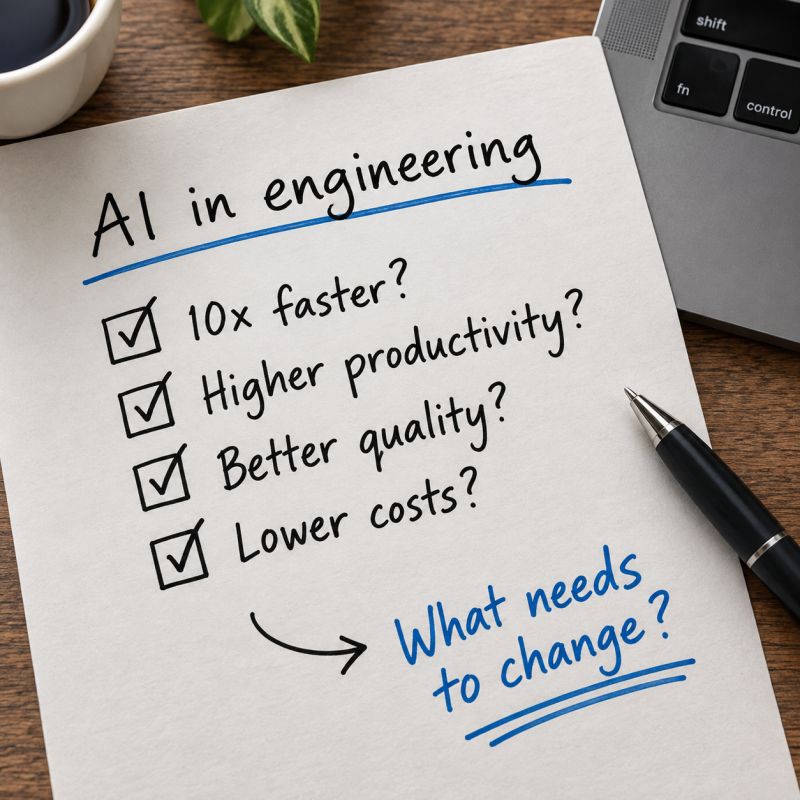
𝗜𝘀 𝗔𝗜 𝗱𝗲𝗹𝗶𝘃𝗲𝗿𝗶𝗻𝗴 𝘁𝗵𝗲 𝗲𝗻𝗴𝗶𝗻𝗲𝗲𝗿𝗶𝗻𝗴 𝗴𝗮𝗶𝗻𝘀 𝘆𝗼𝘂𝗿 𝗼𝗿𝗴𝗮𝗻𝗶𝘀𝗮𝘁𝗶𝗼𝗻 𝗲𝘅𝗽𝗲𝗰𝘁𝗲𝗱? A little over two years ago, I decided to get back to writing production code myself, hands on keyboard in real systems, with one ambitious target, write 0% of the code by hand. Two years ago that was a big ask; today, it is entirely possible.
I wanted the advice I gave teams and organisations about AI to be grounded in realty not hype. I’ve learned a huge amount, seen the pitfalls first-hand and worked with engineers making the same transition.
A few misconceptions are common.
🧰 𝗧𝗼𝗼𝗹𝗶𝗻𝗴 AI is powerful, but giving everyone a coding assistant and expecting productivity to jump is not a strategy.
🧠 𝗪𝗮𝘆𝘀 𝗼𝗳 𝘄𝗼𝗿𝗸𝗶𝗻𝗴 You can’t assume engineering teams keep working exactly as they always have. How we break down problems, explore solutions and validate results changes. Experience becomes more important, not less: architecture, judgement, trade-offs and knowing what “good” looks like matter more than ever.
⚠️ 𝗟𝗲𝘃𝗲𝗿𝗮𝗴𝗲 AI doesn’t automatically make every engineer dramatically more effective. It can also enable large amounts of code to be produced without enough understanding of whether it is appropriate, secure, maintainable or solving the right problem. AI amplifies capability, and that makes good judgement even more important.
🔄 𝗣𝗿𝗼𝗰𝗲𝘀𝘀 The biggest misconception may be that the same engineering process will work, only faster. If implementation gets dramatically faster, everything around it changes too: Product collaboration, architecture, business context and decision-making.
The bottleneck moves. So what should organisations do instead?
𝗟𝗲𝗮𝗿𝗻 𝗵𝗼𝘄 𝘁𝗼 𝗯𝘂𝗶𝗹𝗱 𝗲𝗳𝗳𝗲𝗰𝘁𝗶𝘃𝗲𝗹𝘆 𝘄𝗶𝘁𝗵 𝗔𝗜 𝗯𝗲𝗳𝗼𝗿𝗲 𝗯𝘂𝗶𝗹𝗱𝗶𝗻𝗴 𝗮 𝗽𝗿𝗼𝗰𝗲𝘀𝘀 𝗮𝗿𝗼𝘂𝗻𝗱 𝗶𝘁. And get the engineering environment ready. That means more than choosing a model, IDE or agent. Repositories need to be understandable, standards explicit, architectural preferences clear, testing strong and engineering rules machine-readable.
Getting the best results from AI requires us to get better at engineering practices we have often struggled to make time for.
The engineer’s role is changing dramatically and expectations raised, less time producing the implementation, more time defining the problem, shaping the architecture, setting constraints, reviewing results and deciding what good looks like.
I’ve enjoyed this journey, writing real software this way and helping teams see where AI is creating value and where things are breaking down.
💬If anyone in my network is trying to make this work in their engineering teams and could use some help, please DM me. I’m happy to come in and sit down with your engineers, work through real problems, and figure out where your approach is getting stuck and how to improve it.
#AIEngineering #SoftwareEngineering #EngineeringLeadership #GenerativeAI #AIDevelopment